

Linux · Docker · CI/CD · Monitoring
Managed Linux hosting and DevOps company for production systems
In shortWeDevelop is a Romanian software company that configures, hardens and runs Linux servers: Docker deployments, CI/CD with rollback, monitoring, tested backups and managed hosting. It fits online shops, SaaS products and business applications in Romania and abroad that have outgrown shared hosting or depend on one person to deploy, whether the servers sit in your own accounts or on our infrastructure.
At a glance
- Provider
- WeDevelop, a software company from Romania
- Clients
- Romania, the EU, the UK and North America
- Languages
- English and Romanian
- Invoicing
- EUR, GBP or RON
- Pricing
- Quoted after scoping, from your brief
- Contact
- office@wedevelop.ro
01Is this for you
When managed hosting is worth it
A small brochure site is usually fine on shared hosting, and paying someone to run a server for it is hard to justify. Managed infrastructure starts to make sense when these sound familiar.
- Your shop or application earns money, and an outage or a failed release has a real cost.
- Releases mean someone logging in by SSH and hoping, with no quick way back.
- The server was set up by someone who has left, and nothing about it is written down.
- The site is slow, and your hosting provider and developer each blame the other.
- Backups exist, but you have no idea how long a real recovery would take.
02What you get
What a managed infrastructure engagement covers
The work ranges from a one-off cleanup to running everything for you. Most clients start with one of these.
Takeover of existing servers
A check of patch levels, exposed services, backups, certificates and headroom, followed by a documented, reproducible setup.
Configuration and hardening
SSH keys only, firewall and fail2ban, automatic security updates, least-privilege users and TLS that renews itself.
A deployment pipeline
Docker builds, staging and production environments and CI/CD with health checks. Blue/green or zero-downtime releases where they are needed.
Performance tuning
Nginx and PHP-FPM, database settings, Redis, Varnish and OpenSearch, CDN rules and load tests before known peaks.
Monitoring and recovery
Outside uptime checks, host and container metrics, error rates and alert routing, plus encrypted off-site backups restored on a schedule.
Managed hosting
Day-to-day operation under a monthly plan with an SLA and reporting, in your accounts or on our EU infrastructure.
03Which option
Shared hosting, VPS, managed server or cloud
The decision comes down to who carries the operational risk and how much your load changes. Monthly bills alone can mislead you here.
| Option | Fits when | Trade-off |
|---|---|---|
| Shared hosting | A small site with low traffic, a standard stack and no custom services. | Little control over PHP, database and cache, and usually no room for Docker or a real pipeline. |
| Unmanaged VPS or dedicated server | You have someone with the time and skill to patch, monitor and test restores. | A low bill, but all the operational risk is yours, and it depends on that person staying available. |
| Managed Linux server (for example Hetzner) | A production shop or application with a fairly steady load that you want someone else to run. | You pay for the management, and growth means resizing or adding servers rather than instant elastic scaling. |
| Managed cloud services (for example AWS) | Load swings sharply, or your team and compliance needs already point to a specific cloud. | More moving parts, and often a higher bill for the same steady load, so it has to earn its place. |
We size from measurements rather than from a sales tier. A well-tuned European server often carries the same load as a far costlier cloud stack, and when managed cloud is the better purchase, we say that as well.
04Cost
What decides the cost of managed hosting and DevOps
Setup is quoted as a piece of work and operation as a monthly plan, both after we have seen what is being run. These factors make the difference.
| Factor | Why it matters |
|---|---|
| Application stack | A Magento store with Varnish, Redis and OpenSearch has far more to tune and watch than one Next.js app in a container. |
| Servers and environments | Each server, staging environment and database replica adds patching, monitoring and backups. |
| State of the current setup | An undocumented server with years of manual changes takes more work to bring to a reproducible state than a clean start. |
| Availability needs | Zero-downtime releases, replication and restore targets add design and testing, so they should match what an outage costs you. |
| Alerting expectations | What gets monitored, and who is alerted and when, sets the size of the operating work. |
| Compliance and data location | Data-residency rules or evidence for an auditor can narrow the provider choice and add documentation. |
When we manage infrastructure in your own accounts, the provider bill stays with you and is separate from our work. That is the arrangement we prefer, because you keep full control.
05How to start
From current hosting to a setup you can rely on
Describe what you run
The applications and their stacks, traffic patterns and peaks, current hosting and what keeps going wrong.
Audit of the current setup
Patch level, exposed services, backup validity, certificate expiry and resource headroom, delivered as a prioritised risk list.
Bring it to a documented state
Harden, automate and document the setup, or migrate it to a new server, with the cut-over planned to keep downtime minimal.
Operate
Patching, monitoring, tested restores and reporting under a support plan. You keep root access and full documentation, so you are not tied to us.
06For an accurate quote
What to include in your request
A rough description of what runs today is enough to start.
- The applications to host, with their stacks and dependencies.
- Traffic patterns and the peaks you know about, such as seasonal campaigns.
- Your current hosting, its contract terms and what is causing pain.
- Any compliance or data-residency requirements.
- Who deploys today, how often, and how a bad release gets undone.
07Questions
Questions buyers ask about managed hosting and DevOps
How much does managed Linux hosting cost?
It depends on the application stack, the number of servers and environments and how much monitoring you need, so we quote after seeing what you run. You get a price for the setup and a monthly plan for operating it, and any provider bill in your own account stays separate.
How long does it take to move to a new server?
The duration depends on the size of the data, the number of services and how undocumented the old setup is, so we give a plan after the audit rather than a number up front. The cut-over itself is prepared to keep downtime minimal, and the data transfer often sets the pace.
Can we keep our own server or cloud account?
Yes, and we prefer that, because you retain full control of the infrastructure and the provider relationship. We can also host on our own EU infrastructure under a monthly plan. Either way you get root access and complete documentation.
Should we use Docker Compose or Kubernetes in production?
Start with Docker Compose on a properly sized server unless you have a clear need for multi-node scheduling, autoscaling or isolation between teams. Compose is far simpler to operate and copes with more than most people expect, while Kubernetes adds a real running burden.
Is our website slow because of the server?
Often it is, or at least partly: a database on default settings, no object cache, starved PHP workers or a CDN that caches nothing are all common. Measuring both the infrastructure and the application shows which one to fix, and sometimes the answer is a smaller, better-configured machine.
Do you offer an SLA?
Yes, managed hosting runs under an SLA with monthly reporting, and the terms are set in your agreement according to what you run and what an outage would cost. We prefer to discuss those terms against your actual setup rather than publish a generic figure on a web page.
Where would our data be hosted?
On our EU infrastructure under ISO 27001 processes, or in the account and region you choose with a provider such as Hetzner or AWS. If you have data-residency rules from a contract or regulator, tell us at the start, because they can limit the choice of provider.
08Related projects
Work we have done in this area
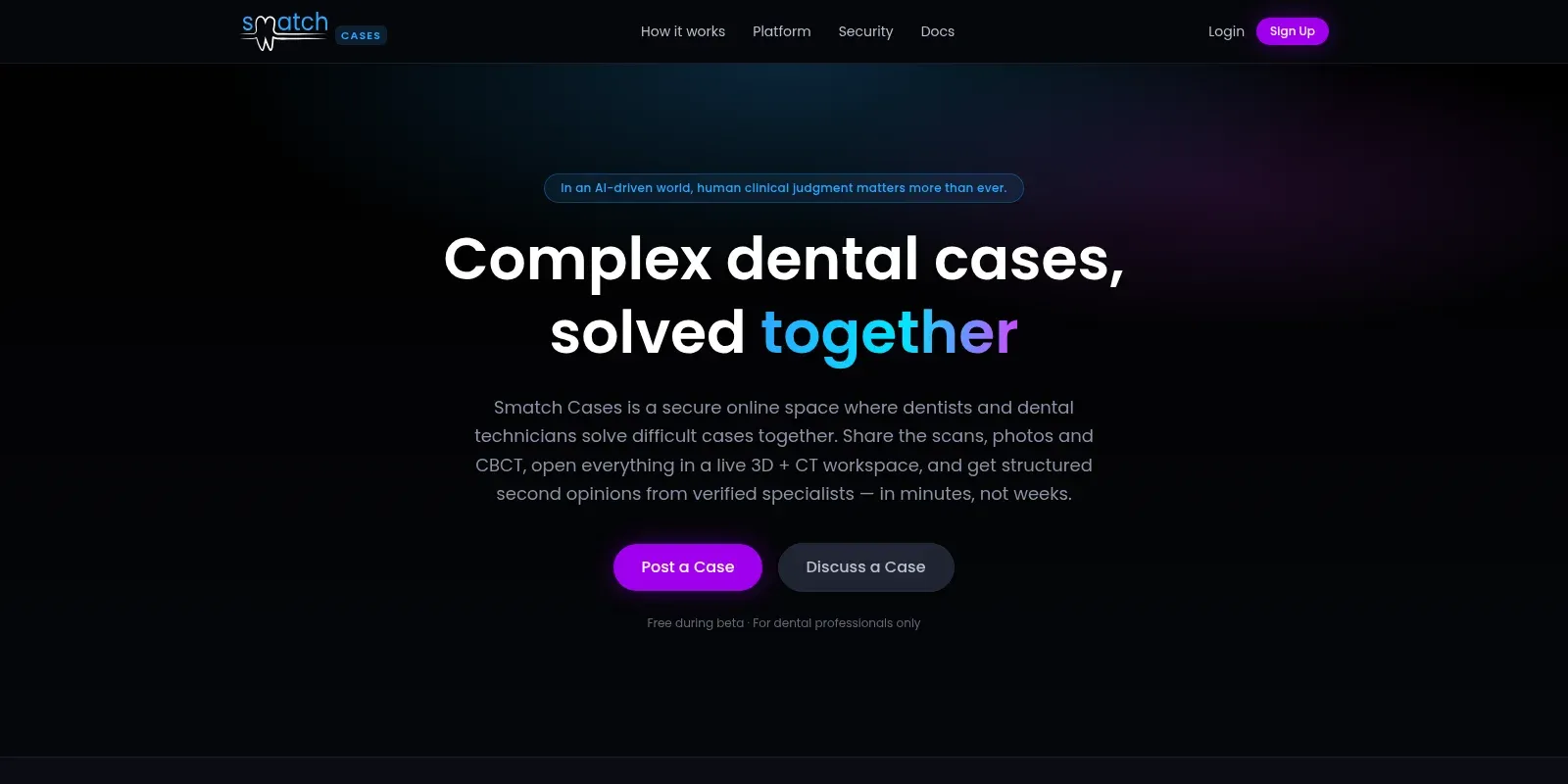
Smatch Cases — clinical case collaboration with a live 3D + CT workspace
A secure platform where dentists and dental technicians solve complex cases together: upload scans, photos and CBCT, open them in a layered 3D + CT viewer in the browser, and collect structured second opinions from verified specialists.
Next.jsReactThree.js / WebGLCBCT volume renderingView case study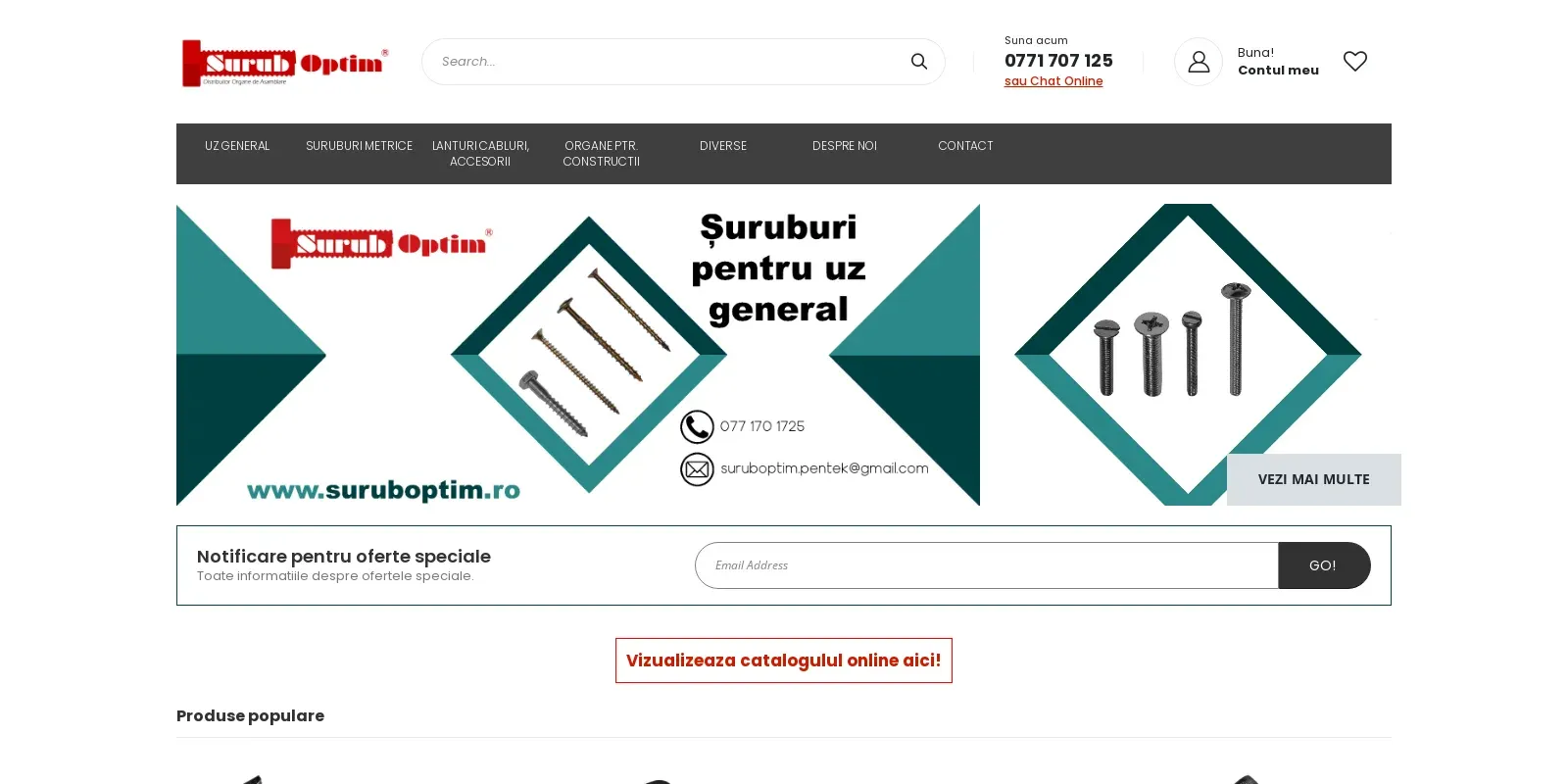
Surub Optim — B2B fastener webshop on Magento 2
Online catalogue and webshop for a fastener distributor from Târgu Mureș: thousands of DIN/ISO screws, nuts, washers, chains and anchors, organised so a tradesperson finds the right standard in two clicks.
Magento 2 Open SourcePHPMySQLPorto themeView case study
Rat Bikes — Magento 2 bicycle shop, ongoing maintenance
Dutch online bicycle shop from Rotterdam, trading since 2008 and shipping across the EU — bikes, cargo bikes, frames, components and accessories from brands such as Surly, Salsa and Cinelli — in English and Dutch. We keep the Magento 2 store healthy, patched and fast.
Magento 2Argento theme (customised)PHPMySQLView case studyRequest a quote
Describe what you need. The enquiry goes to our team, and we reply by email with the next step.